Postpartum Depression & Breastfeeding

“Your mental health is more important to me right now than any of this.” I overheard this exact quote multiple times in one lactation consultation. It was verbiage that I wrote down, thinking, I could use this phrase with my patients. The mother, with a history of depression and anxiety, has a newborn at home and has recently noticed the depression and anxiety seeping back into her life. She’s crying in the shower and having a hard time connecting with her baby. She has noticed that a big source of mental – and physical – pain is related to feedings. She has nipple damage and pain with latching, so she has also been pumping. She knows that breastmilk has some amazing nutrients for her baby. And, she is sinking into depression and finding it very difficult to connect with her little one.

Towards the end of this particular consult, after over an hour of evaluation and conversation, the IBCLC said “It sounds like mental health right now is our primary focus.” She then went on to have a conversation with her patient about different options for going forwards, all the while reiterating, multiple times, how mom’s mental health is ‘more important than any of this’ – indicating infant feedings.

This is such a hard place for a mother to find herself.

I think most parents in this situation ask themselves this question:

Do I prioritize my baby by offering him breastmilk so that he get those benefits at the expense of my mental health? Or, do I prioritize myself, stop breastfeeding and let my baby miss out on all of the benefits of breastmilk?

This is the wrong question.

A more appropriate question may be…

Is there a way I can improve my mental health and my breastfeeding experience?

– or –

If I am left with only two options: my mental health or breastmilk feeding; What is the right choice for my family (my baby AND myself)?

Let’s dive into the research behind both of these questions and see if we can encourage a parent in this position to look at their situation from a different point of view.

Question 1: Is there a way I can improve my mental health and my breastfeeding experience?

Here are some ideas that may help both mom’s mental health and their breastfeeding experience. Notice I said experience and not exclusive breastfeeding journey.

  • Mom works with an appropriate provider to seek help for mental health. Maybe it’s counseling, maybe it’s medication, etc.
  • Maybe we brainstorm a way for mom to get exercise and sleep and good nutrients into her daily schedule.
  • Maybe they switch to exclusively pumping and bottle feeding.
  • Maybe they switch to exclusively breastfeeding; if mom has low supply or baby cannot get the calories needed for growth then we top off with formula or donor milk after breastfeeding.
  • Maybe they switch to formula feeding for calories, and breastfeed for comfort or for ‘desert’.
  • Maybe she exclusively pumps for 24-48 hours while we do all of the things to get mom’s nipples healed, and then they go back to breastfeeding instead of pumping.
  • Maybe they use a Supplemental Nursing System (SNS). Maybe they do not use SNS.
  • Maybe they breastfeed, but switch one feeding every night to a bottle. Partner gives baby the bottle and mom gets an uninterrupted 4-8 hours of sleep. She may sacrifice breastmilk production, but it may be worth it if Mom’s mental health improves and we keep close tabs on baby’s weight gain.
  • Maybe mom weans and they use donor human milk instead.

Here is some information to remind parents that even partial breast milk feeding has some amazing value:

Jump to this table from the American Academy of Pediatrics Breastfeeding and the Use of Human Milk policy statement from 2022 Table 2 (1.)

Seriously, jump to that website, glance at the chart, then come right back. Let me give you one example: Ever breastfeeding vs. never breastfeeding reduces the risk of otitis media (ear infection) by 33%. More vs. less breastfeeding reduce the risk of otitis media by 33%. Exclusive breastfeeding for 6 months reduces risk of ear infection by 43% compared to no breastfeeding at all (1.). This is a great example of how partial breastfeeding is STILL WORTH IT if we can improve mom’s mental health while we are at it.

Question 2: If I am left with only two options: my mental health or breastmilk feeding. What is the right choice for my family (my baby AND myself)?

There’s no doubt that breastmilk offers value to both mom and baby that they are not able to get with formula. That leaves us with the question: does the value (benefits) of breastmilk outweigh the risk of a maternal mental health disorder?

Jump to this policy statement from the American Academy of Pediatrics (2.) and go to the second section titled Impact on the Infant Dyad and Family.

Here’s a brief overview – Untreated maternal perinatal depression can lead to:

  • infant at risk for toxic stress and its consequences – it can impact infants social-emotional development, including:
    • Impaired social interaction
    • Delays in language, cognitive, and social-emotional development
  • Untreated PPD can lead to impaired parent-child interaction
  • Immediate impairment of PPD can…
    • hinder bonding, reciprocal interaction, and healthy attachment;
    • distort perception of the infant’s behavior
    • cause the mother to be less sensitive and attuned, indifferent, or more controlling
    • impair the mother’s attention to, and judgment for, health and safety.

An original investigation published in JAMA Psychiatry in 2018 (3.) looked at postnatal depression in relation to two outcomes: (1) the trajectory of later EPDS scores, up to 11 years postpartum, and (2) child outcomes, up to 18 years old. When the children were 3.5 years old they looked at behavioral problems. At 16 years old math scores were assessed from a national public exam taken at the end of high school in the UK. When the children were 18 years old depression was assessed using a self-administered computerized interview.

They found that persistent and severe postnatal depression substantially raises the risk for adverse outcome on all child measures: the behavioral assessment, the math scores, and child’s depression at 18 years of age. They also noted that women with persistent postnatal depression showed elevated depressive symptoms up to 11 years after childbirth. Peristent and severe meant that the women had an EPDS score of 17 or higher at both 2 months postpartum and 8 months postpartum.

If a mom comes to this question, breastmilk OR mental health. I think it is important that we educate them on what is currently known about the value of breastmilk for both mom and baby as well as the benefits of positive maternal mental health. This way, our families can make an informed decision based on their specific situation.

To circle back around, mom’s mental health is very important to both herself AND her baby. Can we, as lactation professionals, use this data to encourage parents to prioritize their mental health and, just maybe, reframe their question?

RESOURCES

1. Joan Younger Meek, Lawrence Noble, Section on  Breastfeeding; Policy Statement: Breastfeeding and the Use of Human Milk. Pediatrics July 2022; 150 (1): e2022057988. 10.1542/peds.2022-057988

2. F. Earls, Michael W. Yogman, Gerri Mattson, Jason Rafferty, COMMITTEE ON PSYCHOSOCIAL ASPECTS OF CHILD AND FAMILY HEALTH, Rebecca Baum, Thresia Gambon, Arthur Lavin, Lawrence Wissow; Incorporating Recognition and Management of Perinatal Depression Into Pediatric Practice. Pediatrics January 2019; 143 (1): e20183259. 10.1542/peds.2018-3259

3. Netsi E, Pearson RM, Murray L, Cooper P, Craske MG, Stein A. Association of Persistent and Severe Postnatal Depression With Child Outcomes. JAMA Psychiatry. 2018;75(3):247–253. doi:10.1001/jamapsychiatry.2017.4363

Tips and techniques I picked up while observing a lactation consultant: Mason Lactation and Wellness, LLC

The purpose: Gather tips and techniques from an IBCLC that I can put to use when I start seeing patients again.

The mission: Spend a morning shadowing Elysia, owner of Mason Lactation and Wellness during an in-home lactation appointment.

The results: Welcoming us into their beautiful country home was a sweet 4 month old with a quick, easy smile and his Mama. While I took a seat out of the way, Elysia began her 60-90 minute follow up appointment.

When there is no ‘magic bullet’ to fix the problem

Here is something I noticed that really hit home for me. Now, I’ve been in this field long enough to know that there is not a simple fix, magic-bullet, for all (or let’s face it, for many) dyads. When I first started in the field, I would feel like a failure if I could not give very specific, actionable steps that yielded very clear results. Over the years, as I gained more experience, I learned some different strategies to address these challenges. Elysia handled this situation beautifully. The primary concern of the visit was bottle refusal, this was a follow up appointment and the basics had been reviewed at the first visit: try a different bottle nipple (consider Dr. Browns), let the baby play with the bottle, have someone other than Mom offer the bottle, try rocking and swaying while offering the bottle, etc. Well, the 4 month old still was not interested in the bottle and Mom was concerned. After doing an oral assessment and observing an attempted bottle feed, Elysia gave some tangible next steps for the parents to try: some very gentle stretching of the labial frenulum, cheek support, etc. And yet, there was no simple fix today, baby did not take a bottle while we were there. The real magic came in the second half of the visit: Elysia dug deeper to address the underlying concern. WHY was mom so worried about baby taking a bottle? The answer happened to be two fold:

  1. Mom would be returning to work when baby was 8 months old and wanted him to take a bottle while she was away. Elysia addressed this directly, explaining to mom that if he won’t take a bottle at that time, he can always take breastmilk through a sippy cup. So, it will be okay if he is not taking a bottle at 8 months, he will still be fed while she is at work.
  2. Mom was feeling very anxious about leaving her baby for a couple hours for something as simple as dinner out with her husband. Elysia dove deep into this topic and had a full conversation with Mom, uncovering her fears, talking through her emotions, and then discussing ways to help her overcome this even if baby is not taking a bottle.

So, while we did not have a simple fix for the bottle solution, there were quite a few actionable next steps to try. And, equally -if not more- important, they addressed mom’s fears and the reason WHY she was so concerned about her baby not taking the bottle. This was a really good reminder for me to dig deep to the WHY behind the concern, especially when it is not a simple fix.

Putting parents – and baby – at ease while assessing baby

One thing I noticed as she was assessing baby- the whole entire time- she was talking to the little one. That baby was smiling and cooing and just loving the interaction. As an onlooker, I can only imagine, that this puts mom in a place of calmness and trust. When I was a new lactation consultant, I very vividly remember being very focused while I was assessing baby, very much in my head, thinking about all the things. And that’s okay. I’ve been to many doctor offices with my littles where the nurse or provider is quietly assessing my little one. And, there is a totally different feeling in the room, a totally different vibe from the provider, when they are cooing and engaging and smiling with my baby. It takes that level of professionalism and adds a level of comfort and trust. This is one small, simple action that I can practice when I assess babies in the future. When I asked Elysia about this later she shared that the narration is primarily for baby, to ensure the baby is comfortable with her and to get permission from baby for things like the oral assessment. Now I think it is really important to be aware of sincerity. If you’re faking this interaction, the parent is going to pick up on that. Instead, make a conscious effort to engage with the baby in your own way. In my opinion, this will up-level the relationship with the parents and give baby another level of comfort and respect.

Verbiage from Website

Here is something that I very much appreciate and never expected to be writing about: verbiage on a website. MasonLactationandWellnessLLC.com has certain phrases that, as a mom myself, I truly appreciate. Here are a few things found on Elysia’s website that, I’m sure, really resonate with parents:

  • Under her Insurance section she talks about how she can provide a super bill, but the real magic is found under the heading “Will My Insurance Reimburse Me?” Of course, she recommends calling your insurance company; but, the beautiful addition is that she gives you the exact questions to ask your insurance company when you call:
    • “Do you reimburse for out-of-network lactation consultations provided by an IBCLC?”
    • “Are there any restrictions on who can provide these services or how they are delivered (e.g., home visits, virtual visits)?”
    • “What documentation do you require for reimbursement?”

Giving the patient the exact questions to ask their insurance company, and listing the prices on the website, the patient should go into this visit knowing what it is going to cost them and what their insurance will reimburse. For the parents concerned about finances – most of them – this should give them clarity and peace of mind knowing what to expect. As a mom, myself, who is currently two months postpartum, I am getting hit with medical bills from every which way. Unfortunately, I did not know how much many of the bills would come to, so simply knowing ahead of time what to expect gives you an edge over most medical practices.

In other verbiage, I truly appreciate this wording right here, found in the FAQ section under the heading What happens during an in-home visit?

  • Provide hands-on (or off!) guidance for positioning and latch techniques tailored to your unique needs.“

I love that she stresses the (or off!). I picture a new mother, three or four days postpartum at 2:00 am worried about her baby, dreading the next feeding because her nipples hurt, wanting help with breastfeeding and hating the thought of some stranger touching her – maybe she has a history of sexual abuse. She stumbles upon this website while she scours the internet for help, she reads the ‘my story’ section on the main page and tears up because she feels like she is not alone. She looks a bit closer at the website because she’s at the end of her rope with feeding and she knows she needs help if she is going to keep breastfeeding. And, she just dreads the thought of some stranger touching her. Then, she sees that Elysia can offer hands-off guidance and she breathes a small, imperceptible sigh of relief and decides to reach out for help.

This leads to the other part of her website that I personally adore:

  • my story’. Found on her main page. I think it is so beautifully written and truly captures the experience and the feelings that I saw time and again while working with parents during that season of caring for a brand new baby. I get chills when I read it.

Let’s talk charting.

Elysia prefers good ole pen and paper, and so she does paper charting that she then scans into her electronic records and gives to the patient. She has beautiful hand writing, so she can pull it off. I’m a keyboard typer through and through, so I won’t be borrowing this technique from her – but if you like paper charting, she has a very nice set up that may interest you.

She has a multiple page template that she brings to every appointment. The template has orderly, clear sections defined by a few blank lines between sections and a beautiful blue heading above each. It appears very professional and simple to read with a pleasing aesthetic. Under each section are prompts for her charting, some spaces are lines for free writing, others are check boxes for quick and simple notations. Once she has finished her charting, she scans it into her computer and sends her patients a copy. Her patients can then share it with any of their providers, peds, OBGYN, etc. She does this to encourage communication with their pediatrician or other provider, so that the Doctor can quickly and easily see how the visit with the lactation consultant went. If you’re going to hand chart, it sounds to me like this is the way to do it.

If you incorporate any of these techniques into your practice, let us know how it goes in the comments.

Tips and techniques I picked up while observing a lactation consultant: Lactation Station and more

The purpose: To collect techniques, verbiage and tips from an IBCLC that I can emulate with my own patients in the future.

The mission: I spent a day shadowing IBCLC, Sarah Glenn at her private practice, Lactation Station and more in Summerville, South Carolina.

The results: Walking into Sarah’s office my eyes linger on the large painting that faces the one cozy recliner in her room. The focus of the portrait is five or so women and one man lounging outdoors in a beautiful landscape. One of the women is nursing a newborn, one woman is pumping, still another is nursing a toddler who is standing on a stone to reach the breast, the man is baby wearing with a bottle in his hand, another woman is offering her baby a bottle, and another is nursing multiples. It is a beautiful depiction of the many different ways parents can feed littles. It sends a clear message: there are many ways to feed your little one, and every way is beautiful. Sarah reinforces this message all through out the day as she encourages and guides moms as they follow the feeding journey that works best for their family.

Sarah has a wide range of services to offer her patients at her practice, you can read all about those on her website LactationStationandMore.com. The unique components of her practice that piqued my interest were Walk-In Wednesday and therapeutic ultrasound. And so, I spent a day with her on a Wednesday to see the ‘Walk – ins’ in action. In each section below you’ll find the notes and techniques I took away during my day spent in her office. I observed multiple different appointments, some previously scheduled full visits while others were brief walk-ins.

Quotes

I overheard these phrases through out the day while observing a variety of lactation consultations. Her support of the family unit was obvious, you’ll get a feel for this as you read the quotes I took directly from Sarah:

“I understand what you’re saying.”

“This is a safe space, you can say anything, do anything, rant or rave.”

“What can we do to make that a little bit easier for you?” This question came after discussing the supply and demand dynamic of breastmilk production. This mom had been exclusively pumping 1-3 times a day and wished to increase her supply and start latching. Sarah recommended more breast stimulation.

“In a perfect world, pretend you’re not having any problems, what do you want [feedings] to look like?”

“It sounds like mental health right now is our primary focus… your mental health is more important to me right now than any of this.” Stated after an in depth conversation about mom’s mental health history and her current symptoms of anxiety and depression.

“What if she only had half a sandwich, and an hour later she wants the other half? I do that sometimes.” Stated while Sarah was encouraging on-demand nursing.

Walk-In Wednesday:

Let’s talk about Walk-In Wednesday. She charges $25 per 15 minutes and no appointment is required, new patients and returning patients can just drop in while she is in the office from 9 am to 2 pm on Wednesdays. Upon arrival, she explains the pricing structure to the patients, she typically does not run these specific visits through insurance. She then jumps straight to “What’s your main question for today?” I saw a mom drop in for therapeutic ultrasound and one parent drop in who was concerned her baby had a lip tie. Sarah offers this service as a convenience for her patients because she is ‘in the office anyways’, and she does typically have 1-2 appointments scheduled during that time period. Walk-In Wednesday will occasionally turn drop-in patients to full blown future appointments; but, it is more likely that they will come back for her free weekly Mom Circle. The walk-ins are not a driving force of income, it is really just an additional way that Sarah cares for the parents in her community.

Infant Reflexes:

During some appointments, I noticed Sarah assessing infant reflexes. Honestly, that is not something I have focused much on in the past, except for maybe the gag reflex. She learned more about this after attending a Master Class with Jennifer Tow about Intuitive Parenting. Sarah utilizes infant reflexes in her assessment to help determine what next steps may be needed for a baby who is having difficulties. Are all of the reflexes firing appropriately? If so, we may just just need to focus on positioning and latching and we will see improvement. If the reflexes are not all firing appropriately, it is possible that baby may need some additional support or referrals or body work, before seeing improvement.

Therapeutic Ultrasound for breast inflammation

She offers this at her practice: see this blog post to read more.

Props Used During Lactation Appointments

  • Nursing necklace: Sarah showed this to a mom who had a 10 week old. She recommends long necklaces that the parent can wear while the baby nurses that are made of silicone or wood, as it usually ends up in baby’s mouth. These can help prevent twiddling and maybe even help with distracted nursing.
  • Baby doll: After helping baby get latched (for the first time in weeks! Insert huge tearful, smiley face from mom) and while baby was settled and nursing, Sarah used the baby doll to demonstrate latching and positioning techniques that mom can replicate.
  • Picture hanging on wall that gives a visual of neuroendocrine regulation of lactation: Sarah pointed this out to a patient when she was describing how to increase milk supply.

It was such a treat to shadow Sarah Glenn, this IBCLC who goes out of her way to provide many services for the parents in her community and who has had over 35 years of working with families in the perinatal season. May this post inspire you to implement one or two new techniques for your patients.

Therapeutic Ultrasound and Breast Inflammation

A fly on the wall, I observed a woman and her newborn come into the office, clearly already familiar with the lactation consultant. After exchanging pleasantries and the crux of her visit, mastitis, the woman launched into her recent experience at an urgent care. She went there two days ago for mastitis where she was a given a shot and some antibiotics and then told not to breastfeed for a few days, followed with, ‘if your baby drinks formula she won’t want breastmilk anymore because she’ll like the sweetness of formula better.’ Thankfully, this mom knew she had received some ‘bad information’- her words. The major symptoms of the mastitis had resolved, but she was still experiencing breast fullness and discomfort. Enter the main purpose of her visit, and the part of this lactation practice that I found wildly fascinating: therapeutic ultrasound.

Sarah Glenn, IBCLC offers this service at her private practice in South Carolina. I was fortunate enough to shadow her for a day and came away with a proverbial treasure chest full of techniques, practices and verbiage.

The treatment sessions are about 15 minutes and, depending on the situation, may involve therapeutic ultrasound, lymphatic massage, and/or kinesiology tape. As an observer, the process itself appeared pretty simple. With both breasts exposed, she maneuvered the ultrasound wand around one breast and then the other. Next, she performed lymphatic massage, one side at a time, using coconut oil, all while explaining to this mom how to perform lymphatic drainage at home. This particular patient did not need the kinesiotape, so the session ended with an agreement to update Sarah in 24 hours to share how she is feeling and to determine whether a second session will be recommended. Take comfort in the fact that Sarah did address the misinformation shared at the Urgent Care. I never thought, before this visit, that urgent care centers would need to know how to treat mastitis, but it makes sense that not all new parents would know to go to their lactation consultants or OBGYN for fever-like symptoms. This sounds like a good project for Breastfeeding Coalitions: share updated mastitis information with the urgent care centers in their state.

Now, back to therapeutic ultrasound. How does Sarah determine who is eligible for therapeutic ultrasound? She looks for the following criteria:

  • Patients with breast firmness and discomfort who have been following the breast care basics for at least 24 hours (ice, ibuprofen, etc.) with no signs of improvement.
  • No signs of systemic symptoms: fever, chills, etc. These patients get referred to their OBGYN for mastitis treatment.

Of the many, many different elements that Sarah Glenn offers her patients at Lactation Station and More, I zeroed in on therapeutic ultrasound because I wonder if it is an underutilized tool in our world of lactation professionals. The Academy of Breastfeeding Medicine Protocol #36 The Mastitis Spectrum, reports that therapeutic ultrasound uses thermal energy to reduce inflammation and ‘may be an effective treatment for conditions arising in the mastitis spectrum’ (1). In the past, when I worked in an outpatient clinic, we would occasionally refer to a physical therapist in town that offered this service for lactating parents. I would assume – tell me if I’m wrong – that there are not many LCs out there referring, or offering, therapeutic ultrasound. On that note, there probably are not many practitioners out there who offer therapeutic ultrasound for breast inflammation even if lactation professionals wanted to make referrals.

May this inspire lactation professionals to consider adding therapeutic ultrasound referrals to their toolbox of breast pain remedies.

References:

1. Academy of Breastfeeding Medicine Protocol #36 The Mastitis Spectrum

Prenatal Breastmilk Expression

Scenario 1: For 33 years I have had nipples and never once has anything come from them and, quite frankly, they have proven to be quite useless. Then I get pregnant, notice my breast get a little larger, nipples change color and change slightly in shape. But still, they’re quite useless and nothing ever leaks from them. This crying, tiny, hungry baby comes into the world who I have to keep alive. And I’m suppose to do that with only these useless nipples that I have never once seen anything come out of. Why would I trust that they can keep this hungry baby alive?

Scenario 2: same set up: 33 years of useless nipples then I get pregnant. Then at 37 weeks pregnant, I’m in the warm shower and I try hand expression for the first time. It takes a few minutes of seeing nothing – after all, it is my first time trying and most things takes practice to figure out. Then all of the sudden: there is a drop of colostrum! I keep expressing and it keeps flowing. I DO have breastmilk in there, these nipples ARE useful. A few weeks later my hungry baby latches and not only am I confident that there is colostrum in my breasts, but I am confident and comfortable hand expressing some colostrum to give to her after she nursed, or to help her latch, or to relieve my engorgement that first week.

Scenario 1 is the sentiment that I heard many moms express those first two days in the hospital.

Scenario 2 was my personal journey. I had been in the lactation field for 5 years prior to having my first child and even I was amazed when I saw those first drops of colostrum. Imagine being a first time mom who has had no experience with breastfeeding. This is why I find antenatal (prenatal) breastmilk expression so intriguing- I think it can be so empowering and set a mom up for a confident breastfeeding journey. Now the question is: is this research based or professional opinion?

Now this article is a Scoping Review …. Which I’ve come to learn means that it can tell me all of the studies out there regarding this topic: antenatal (prenatal) breastmilk expression. But, it does not address a specific question and it does not give me one combined result. Instead, it appears to give a good overview of what research has already been done on the subject.

The authors found 20 studies to include in this scoping review, ranging from 1946-2019. After critically appraising the individual studies they determined “This review demonstrates a lack of high-quality evidence on the effects of aBME [antenatal breastmilk expression] on maternal and newborn outcomes.” (1.)

The individual studies address a wide variety of outcomes that can come from expressing milk during pregnancy. What I am most intrigued to learn about is:

How does aBME impact maternal confidence?

How does aBME impact infant health/gestational age?

There were some studies that addressed these questions. One specifically was a randomized control trial that looked at NICU rates of infants whose mothers expressed prenatally starting at 36 weeks vs the control group. (7.) I dive into this in the “I’m still curious about” section of this post. Another couple of studies looked at the maternal experience of expressing milk during pregnancy, with various answers: it appears that some mothers found it confidence boosting while others were frustrated or worried about the volume of colostrum they were able to produce while pregnant. (5, 6).

The authors of our scoping review noticed that many of the studies were conducted in the past few years, indicating increased interest in the subject. They also had some insightful recommendations for future research. It appears to me, that while there are a couple good, quality studies regarding this topic, we are still in need of future research to verify the safety and efficacy of prenatal breastmilk expression for the practice to be considered ‘evidence-based’. Go look at this scoping review for yourself, and share your thoughts in the comments.

Interesting after thought: some of the studies that were performed started pregnant women expressing as early as 20 weeks gestation. Now, the studies that started women expressing this early were from the 1940’s and 1950’s. The authors of the scoping review do caution readers regarding the interpretation of the results from these studies, as they all ranked very low in their critical appraisal.

So, after reading this and learning what a scoping review is (see “What I Learned” section”), my question is: Does the one randomized control trial regarding antenatal breastmilk expression give us enough data to guide clinical practice?

I don’t know.

Here’s what I do know:

The study recruited 635 women with pre-existing or gestational diabetes from six different hospitals in Australia. The intervention group was assigned to express breastmilk twice a day starting at 36 weeks gestation, while the control group received ‘standard care’. There was no difference between these two groups when assessing the proportion of infant admission to the NICU. The authors reported “There is no harm in advising women with diabetes in pregnancy at low risk of complications to express breastmilk from 36 weeks’ gestation.” (7.)

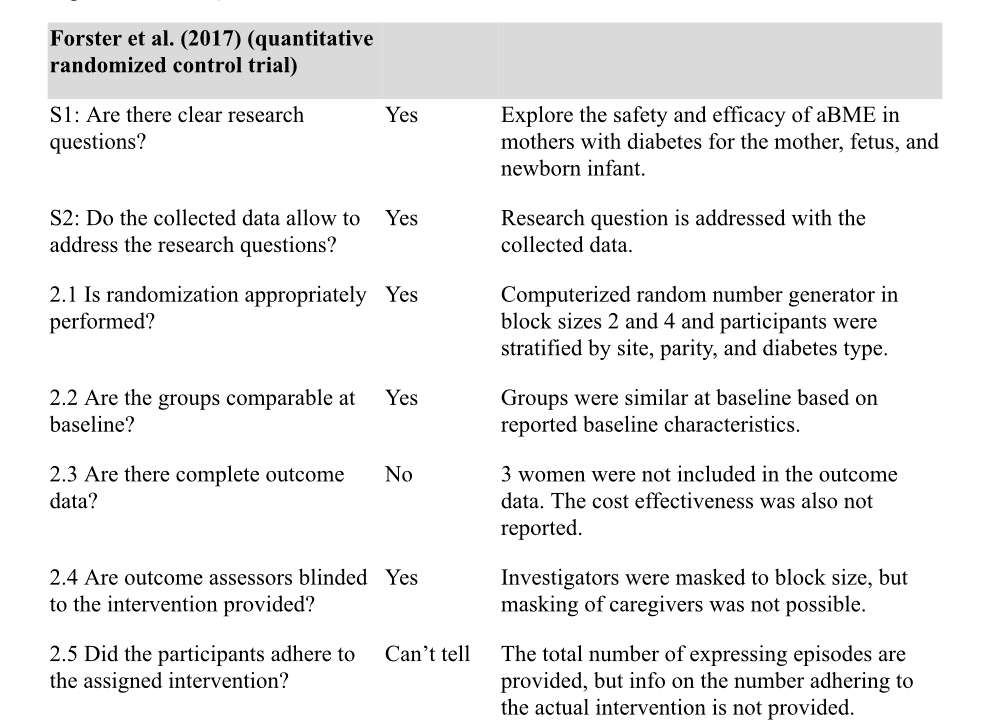
The authors of the scoping review did a critical appraisal of the systematic review and found …

Found in “Additional File 3: Detailed Critical Appraisal of Included Studies” in the scoping review (1.)

So, from this randomized control trial they determined that expressing breastmilk during pregnancy, starting at 36 weeks, did not negatively impact the infants. My question: Is this a strong enough study to recommend antenatal breastmilk expression starting at 36 weeks for low risk pregnancies?

Fun fact: there is a second RCT in progress, but I could not find published results, yet. (4.) (8.)

Readers, commenters -what do you think? I’d love to learn more from you, please leave your credentials in the comments as this will help me and our fellow readers learn. I want to hear from you whether you’ve been in the research field for 30 years or if this is your first time reading a research paper.

What I learned about after reading this scoping review:

Scoping review vs systematic review vs meta analysis

Scoping reviews (also called scoping exercises or scoping studies) are a way to synthesize evidence, and are typically used to provide an overview or map of the evidence.

Scoping reviews have many ways in which they are useful. However, they do not ask a specific question and they do not adjust for bias; therefore, scoping reviews are typically not used to inform clinical practice. Scoping reviews can be helpful in the following ways: to identify knowledge gaps, scope a body of literature, clarify concepts or to investigate research conduct. (2.)

Both systematic reviews and meta analysis can be used to inform and guide clinical practice. They “generally provide the highest level of evidence in evidence-based medicine (EBM), supporting the development and revision of clinical practice guidelines, which are recommendations for clinicians when caring for patients with specific diseases and conditions.” (3.)

A systematic review is a summary of existing published studies on a specific topic and it addresses a clearly defined question. A systematic review may, or may not, include a meta analysis. (3.)

“Systematic reviews follow a structured and pre-defined process that requires rigorous methods to ensure that the results are both reliable and meaningful to end users. These [systematic] reviews may be considered the pillar of evidence-based healthcare [15] and are widely used to inform the development of trustworthy clinical guidelines [11, 16, 17].” (2.)

A meta analysis is a mathematically driven way to combine the results from various studies. It is “a quantitative statistical analysis combining individual results to estimate the common or mean effect.” (3.)

Resources

1. Foudil-Bey I, Murphy MSQ, Dunn S, Keely EJ, El-Chaâr D. Evaluating antenatal breastmilk expression outcomes: a scoping review. Int Breastfeed J. 2021 Mar 12;16(1):25. doi: 10.1186/s13006-021-00371-7. PMID: 33712049; PMCID: PMC7971107.

2. Munn, Z., Peters, M.D.J., Stern, C. et al.Systematic review or scoping review? Guidance for authors when choosing between a systematic or scoping review approach. BMC Med Res Methodol 18, 143 (2018). https://doi.org/10.1186/s12874-018-0611-x

3. Myung SK. How to review and assess a systematic review and meta-analysis article: a methodological study (secondary publication). J Educ Eval Health Prof. 2023;20.24. doi: 10.3352/jeehp.2023.20.24

4. Demirci J. Prenatal video-based education and postpartum effects. n.d. https://clinicaltrials.gov/ct2/show/NCT04258709?cond=antenatal+breast+milk+expression&draw=2&rank=1. Accessed 11 Apr 2020.

5. Casey JRR, Mogg EL, Banks J, Braniff K, Heal C. Perspectives and experiences of collecting antenatal colostrum in women who have had diabetes during pregnancy: a North Queensland semistructured interview study. BMJ Open. 2019;9:e021513 https://doi.org/10.1136/bmjopen-2018-021513https://clinicaltrials.gov/ct2/show/NCT04258709?cond=antenatal+breast+milk+expression&draw=2&rank=1. .

6. Demirci JR, Glasser M, Fichner J, Caplan E, Himes KP. “It gave me so much confidence”: First-time U.S. mothers’ experiences with antenatal milk expression. Matern Child Nutr. 2019;15:e12824

7. Forster DA, Moorhead AM, Jacobs SE, Davis PG, Walker SP, McEgan KM, et al. Advising women with diabetes in pregnancy to express breastmilk in late pregnancy (Diabetes and Antenatal Milk Expressing [DAME]): a multicentre, unblinded, randomised controlled trial. Lancet. 2017;389:2204– 13 https://doi.org/10.1016/S0140-6736(17)31373-9.

8. Demirci JR, Glasser M, Bogen DL, Sereika SM, Ren D, Ray K, Bodnar LM, O’Sullivan TA, Himes K. Effect of antenatal milk expression education on lactation outcomes in birthing people with pre-pregnancy body mass index ≥25: protocol for a randomized, controlled trial. Int Breastfeed J. 2023 Mar 16;18(1):16. doi: 10.1186/s13006-023-00552-6. PMID: 36927811; PMCID: PMC10019405.

The Flavor of Human Milk in relation to Mom’s Food Intake

This is a fun one: How maternal food choices alter the flavor of human milk.

Let’s dig in.

This 2019 Systematic Review addresses how flavors transfer to both the amniotic fluid during pregnancy, and breastmilk during the lactation period. (1.) We’ll solely focus on transfer to human milk. There were 3 different methods used to determine if flavors transferred to human milk:

1. Chemical analysis: this can indicate if volatiles of a flavor are present in breast milk.

2. Sensory analysis: this can indicate if volatiles of a flavor are present in breast milk and demonstrate that the volatile is at a concentration detectable by the human olfactory and taste systems.

3. Children’s behavioral response: “Behavioral responses of the children were often videotaped and then measured at a later date by trained study personnel who were often blinded to the hypothesis and conditions except when mothers were asked about their perceptions of whether their child liked or enjoyed the aroma or food that was compared between conditions.” Examples of responses that were assessed: feeding duration, time attached to the nipple, number of sucks, head orientation toward, mouthing, facial expressions of liking, amount consumed, mother’s perception of infant behavior and enjoyment during feeding. These responses were measured either hours after maternal ingestion, or days or months after repeated maternal ingestion. (1.)

15 studies were included in the systematic review regarding maternal diet during lactation.

Very specific flavors were studied. The authors noted that their conclusions were only applicable to the flavors that were looked at:

• “eucalyptus coincided with the timing when mothers could smell eucalyptus on their breath.”
• Mixed vegetable juices were tested only by children’s behavioral response after repeated maternal ingestion

One important thing to note is that “Conclusions cannot be drawn to describe the relationship between mothers’ diet during either pregnancy or lactation and children’s overall dietary intake.“ (1.) Which means two things:

  1. From this data we can NOT determine that baby will avoid human milk based on what mom ate. I do not want this to turn into a witch hunt if baby is avoiding breastfeeding, this information does NOT tell us to limit mom’s food choices.
  2. I want to theorize that if mom eats certain foods the child will be more likely to accept and eat those certain foods when they start eating solids because they are familiar with the flavor and know it to be a safe -not poisonous- option (think way, way back in the day when people were foraging for foods – maybe this helped children determine what was safe). But, we also can NOT jump to that conclusion with the information from this systematic review. Further studies would have to address that theory.

The wild thing is : there is moderate evidence to indicate that some flavors that moms eat will change the flavor of breastmilk! Human milk is so cool.

After reading this article a couple times, here’s a question I still have: How valid are the Sensory Test and the Behavioral Response? Are they accurately measuring flavor transfer?

Sensory Test: Most of the sensory tests seem to involve panelists who smelled samples of breastmilk and then answered questions about, or rated, the scent. The sensory panels included 6-13 adults, with one study using 5 lactating women to taste their own breastmilk.

Children’s Behavioral Response: Here are some examples of behaviors that were assessed to determine if a child/infant recognized a flavor:

  • Feeding duration
  • Time attached to the nipple
  • Number of sucks
  • Head orientation toward
  • Mouthing
  • Facial expression
  • Amount consumed
  • Mother’s perception of infant behavior and enjoyment during feeding

My guess is that these behaviors could be modified for a number of different reasons, not simply in recognition to a flavor. How did they narrow down the independent variables to determine that these responses were in relation to flavor recognition and not say, time of day when mom’s supply might be lower or higher? I do think the fact that their responses were recorded then analyzed by trained study personal would help reduce the subjectiveness of the evaluations.

It is confidence boosting to see that some of these flavors (alcohol, garlic, carrot, caraway, eucalyptus, fish oil, and fennel-anise-caraway tea) were analyzed by more than one method. For example, alcohol flavor was tested by chemical analysis, sensory analysis and children’s behavioral response. It is also interesting that the timing tended to be consistent as well, regardless of the method used: “The timing of the observed differential behavioral responses coincided with the timing when sensory panels judged the milk to have altered flavor (20, 21,23, 25).” (1.)

The authors of this systematic review did give some studies, like the randomized controlled trials, higher consideration while taking into account the flaws/concerns of other studies. On page 1023S under internal validity, they thoroughly discuss the strong studies in comparison to the studies that received less weight due to possible bias. (1.)

Commenters: What do you know that I don’t? Hit me with your thoughts to my question in the comments. I want your comments whether you’ve been in the research field for 30 years or whether this is the first paper you’ve ever read. By including your credentials in your comment, that helps me and our readers learn together.

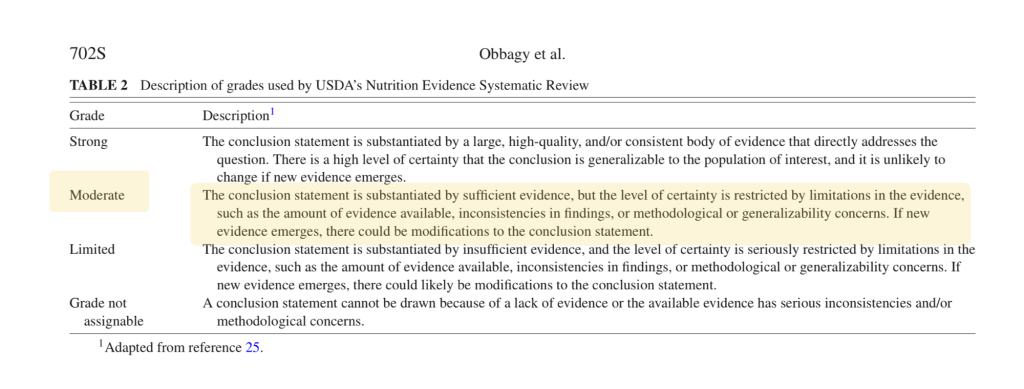
What exactly do the authors mean when they say “Conclusion statements related to diet during lactation and flavor transfer and infant detection were determined to be moderate in strength”?

Take a look at this table:

(2.)

Pretty self explanatory.

This table came from the paper titled “Systematic review methods for the Pregnancy and Birth to 24 Months Project” (2.) Our systematic review that we are discussing today stemmed from the USDA’s Nutrition Evidence Systematic Review team as part of the Pregnancy and Birth to 24 Months Project. Within this project they created a series of systematic reviews and this table came from their paper that discusses the methods they used when creating this series of systematic reviews.

Resources:

  1. Joanne M Spahn, Emily H Callahan, Maureen K Spill, Yat Ping Wong, Sara E Benjamin-Neelon, Leann Birch, Maureen M Black, John T Cook, Myles S Faith, Julie A Mennella, Kellie O Casavale, Influence of maternal diet on flavor transfer to amniotic fluid and breast milk and children’s responses: a systematic review, The American Journal of Clinical Nutrition, Volume 109, Issue Supplement_1, March 2019, Pages 1003S–1026S, https://doi.org/10.1093/ajcn/nqy240
  2. Obbagy JE, Spahn JM, Wong YP, Psota TL, Spill MK, Dreibelbis C, Gungor DE, Nadaud P, Raghavan R, Callahan EH, et al. Systematic review methodology used in the Pregnancy and Birth to 24 Months Project. Am J Clin Nutr 2019;109(7):698S−704S.

WHO Growth Chart

After being a lactation consultant at both a pediatric clinic and a hospital in the United States, I have come to rely heavily on the World Health Organization Growth Chart when assessing adequate growth for littles. A mom comes in worried about her supply or worried about how often (or not so often) baby is nursing, one of the first things I look at is baby’s trajectory on the weight-for-age WHO Growth Chart. As this is such an integral part of my evaluation, I wanted to dig into this tool to learn more about it. I found some fascinating tidbits!

  • They used data from both a longitudinal study that was conducted with babies aged 0-24 months, AND from a cross-sectional study with children aged 18 months – 71 months.
  • The children in these studies were from 6 different countries all around the world. (1.)
  • They had a total of 882 children in the longitudinal study that were followed through 24 months of age. They had a total of 6,669 children in the cross-sectional study. (1.)
  • Some of the requirements for the longitudinal study included: no smoking prenatally and postpartum, no known constraints to growth, breastfeeding: exclusively or predominantly for at least 4 months, and continued partial breastfeeding until at least 12 months with complementary foods introduced by 6 months. (1.)
  • A minimum of any breastfeeding for at least 3 months was the requirement for the cross-sectional study. (1.)
  • This was intentionally created as a ‘standard’, not merely a reference. (1.)
    • Standard = “Since a standard defines how children should grow, deviations from the pattern it describes are evidence of abnormal growth.” (1.)
    • Reference = While a reference shows how children grow in a particular region and time, it “does not provide as sound a basis for such value judgments” (1.)

First off, look at these two tables. They give a good overview of the sheer number of children that were assessed and the various locations world wide.

WHO Child Growth Standards Methods and Development (1.)

What I found so fascinating was the similarity in growth among these healthy children all over the world. No matter what country they were in, their growth was very consistent. Between the consistency of growth in healthy, breastfed babies around the globe and the fact that this was intentionally designed as a standard; this is a really encouraging reminder that the growth charts do give us a strong glimpse into the rate that healthy children grow. After digging into this, I still feel confident in the WHO Weight-for-Age Growth Chart. One interesting comment the authors made at the end of their conclusion is that “…links between physical growth and motor development provide a solid instrument for helping to meet the health and nutritional needs of the world’s children.” Which leads to my question – Should the WHO Growth Chart be used in combination with an a motor development component?

“The MGRS (WHO Multicentre Growth Reference Study) is unique in that it was purposely designed to produce a standard by selecting healthy children living under conditions likely to favour the achievement of their full genetic growth potential.” (1.)

Should I start incorporating the Motor Development Milestones into my assessment?

Let’s dig in. Since they reference motor development in combination with physical growth, I wanted to learn more about the Motor Development aspect. Turns out between the ages of 4 and 24 months during the longitudinal study, they looked at the six gross motor developmental milestones of healthy children from 5 different countries around the world. (2.)

  • Sitting without support
  • Hands-and-knees crawling
  • Standing with assistance
  • Walking with assistance
  • Standing alone
  • Walking alone

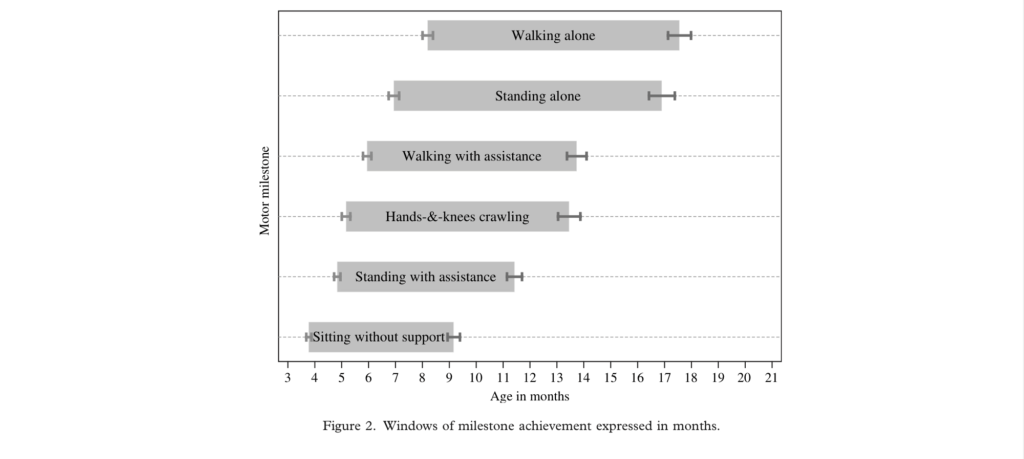
They then used this data to create a simple, visual scale that depict the age range that these healthy children achieved the milestones. If the child is older than the ‘window’ and not demonstrating the skill, appropriate screening can be pursued. See the figure below.


WHO Motor Development Study: Windows of achievement for six
gross motor development milestones (2.)

What intrigued me was that the earliest ‘age window’ does not close until 9.4 months (sitting unsupported). Which sounds to me like if I wanted to tie this into my assessment, it would give me very limited knowledge until the child being assessed reaches 9 months. Do you incorporate motor development when assessing how your patient is growing?

Since using the growth charts so frequently I inherently had a good understanding of what the percentiles mean. But explaining the percentiles in verbiage that brand new, sleep deprived parents can understand was a bit more challenging. So, I learned a few different ways to explain percentiles. What one parents hears tends to be different than what another parent hears, even if the words are in the exact same order.

  • Looks like your little one has been staying pretty close to the 20th percentile the last few visits. The 20th percentile means that he weighs more than 20% of other boys his age, and less than 80% of other boys his age. Since he is tracking consistently near the same number, that tells us he is growing normally and gaining weight well. (4.)
  • Looks like your little one has been growing consistently near the 80th percentile. Since her growth has been consistently near the same percentile, that tells us she is growing well and gaining an appropriate amount of weight. The 80th percentile means that out of 100 girls her age, she would weigh more than 80 of them. (3.)

This website had some good examples of how to understand and verbalize percentiles:

https://www.pregnancybirthbaby.org.au/amp/article/understanding-baby-growth-charts (4.)

Resources

1. “WHO child growth standards: length/height-for-age, weight-for-age, weight-for-length, weight-for-height and body mass index-for-age: methods and development.” World Health Organization. 2006 Nov. https://www.who.int/publications/i/item/924154693X

2. “WHO Multicentre Growth Reference Study Group. WHO Motor Development Study: windows of achievement for six gross motor development milestones.” Acta Paediatr Suppl. 2006 Apr;450:86-95. doi: 10.1111/j.1651-2227.2006.tb02379.x. PMID: 16817682.

3. “A health professional’s guide for using the new WHO growth charts.” Paediatr Child Health. 2010 Feb;15(2):84-98. doi: 10.1093/pch/15.2.84. PMID: 21286296; PMCID: PMC2865941.

4. “Understanding baby growth charts” Pregnancy Birth and Baby. Australian Government, Department of Health and Aged Care. Last updated May, 2024. Accessed May, 2025 https://www.pregnancybirthbaby.org.au/amp/article/understanding-baby-growth-charts

Maternal Risk for Hypertension and Diabetes and Length of Breastfeeding

This systematic review and meta analysis assessed the association of breastfeeding with diabetes and hypertension amongst parents who breastfed for at least one year compared to less than one year. “Association of Maternal Lactation With Diabetes and Hypertension: A Systematic Review and Meta-analysis.”(1.)

Suzanne Sanders here, IBCLC for another article review.

Before we jump to the results, let’s dig in to the nitty gritty.

The systematic review encompasses 22 studies that look at breastfeeding in relation to hypertension and/or diabetes. They give brief overviews of many of these studies and it includes studies that compared different lengths of breastfeeding, not strictly 1 year.

For the meta analysis they found 4 studies that fit the criteria for breastfeeding and diabetes. Amongst these four studies, there was a total of 206,204 participants. 5 studies fit the criteria for breastfeeding and hypertension and their total participant count was 255,271 women.

The authors concluded from the meta analysis that “Breastfeeding for more than 12 months was associated with a relative risk reduction of 30% for diabetes (pooled odds ratio, 0.70 [95% CI, 0.62-0.78]; P < .001) and a relative risk reduction of 13% for hypertension (pooled odds ratio, 0.87 [95% CI, 0.78-0.97]; P = .01).” (1.)

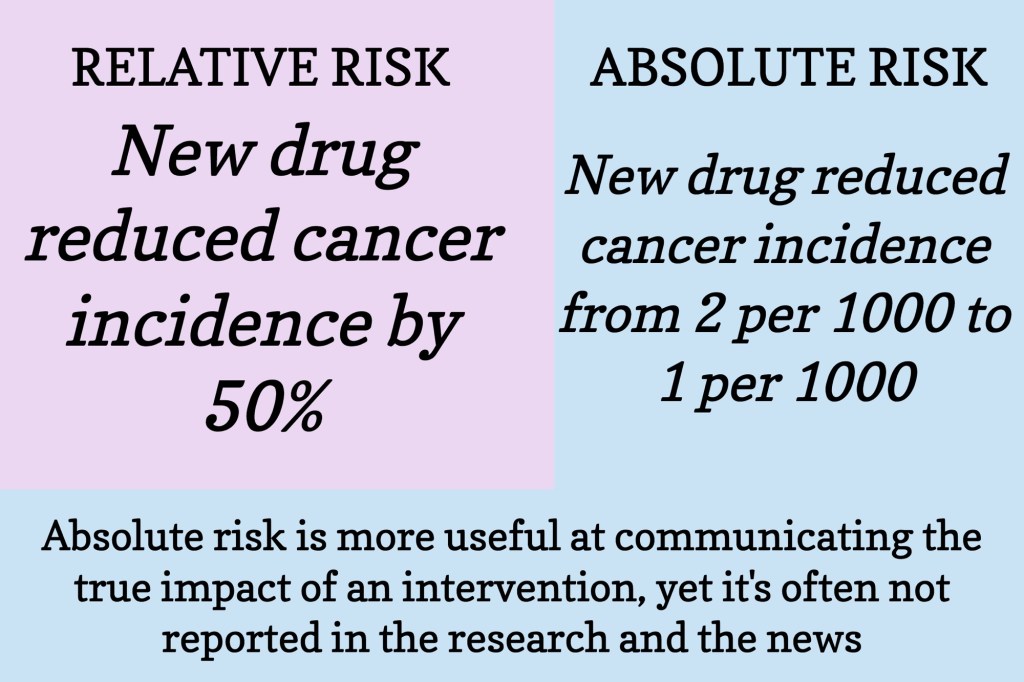
What I am learning is a more appropriate title today. What exactly does it mean when the authors say a 30% RELATIVE RISK reduction or a 13% RELATIVE RISK reduction. Well I did some digging and it seems far more complex than something I can boil down to one short paragraph. If you want to sink your teeth into this concept – you could start by reading the sources that I found directly- then come back and share with us what you learn. So, to my understanding relative risk reduction tells you the difference between the control and the intervention. It does not tell you the risk for the control group and the risk for the intervention group OVERALL. That is the absolute risk. In order to get a good zoomed out picture of the situation, understanding both the relative risk and the absolute risk is important.

Definition of relative risk: “Relative risk is a ratio of the probability of an event occurring in the exposed group versus the probability of the event occurring in the non-exposed group.” (3.)

Example from Peter Attia’s blog (2.)

In the example above, the absolute risk gives you the overall risk of cancer incidence. While the relative risk is the difference between those two numbers. So, reducing the cancer incidence from 2/1000 to 1/1000 was a 50% decrease. But when you look at the overall risk of this cancer incidence, one question would be: is the medication worth the change in risk from 2 in 1000 people to 1 in 1000 people?

For our meta analysis we’re working with here, we know the relative risk reduction for diabetes/hypertension of breastfeeding for more than 12 months compared to breastfeeding for less than 12 months.

But, what is the absolute risk? I think the question that needs addressed before we can determine absolute risk is: What percentage of women acquire diabetes/hypertension in the years after they give birth (not during pregnancy or before child birth)?

If we had that knowledge then we could start to determine the overall risk these women have of getting diabetes/hypertension as it relates to breastfeeding.

This was a challenge, grasping relative risk. If you can share some knowledge, please drop a comment below and include your credentials (again, I don’t care if you’ve been in the research field for decades or this is your first time digging into this – giving us your credentials just helps everyone learn through the comments.)

Does ‘compared with breastfeeding for less than 12 months’ include those who did not initiate breastfeeding? I’d like to learn more about the length of time that people breastfed for when it was ‘less than 12 months”. Did the majority of them breastfeed for 3 months or 9 months or 2 weeks?

References:

1. Rameez RM, Sadana D, Kaur S, et al. Association of Maternal Lactation With Diabetes and Hypertension: A Systematic Review and Meta-analysis. JAMA Netw Open. 2019;2(10):e1913401. doi:10.1001/jamanetworkopen.2019.13401

2. Attia, Peter “Studying Studies: Part I – relative risk vs. absolute risk”. Updated 1/8/2018. Accessed 5/8/2025. https://peterattiamd.com/ns001/

3. Tenny S, Hoffman MR. Relative Risk. [Updated 2023 Mar 27]. In: StatPearls [Internet]. Treasure Island (FL): StatPearls Publishing; 2025 Jan-. Available from: https://www.ncbi.nlm.nih.gov/books/NBK430824/

4. Calder, Robert A. “Statistical Thinking Part 2: Relative Risk, Absolute Risk, and Number Needed to Treat”. WMJ. 2024;123(4):324-327. Accessed 5/10/2025. https://wmjonline.org/123no4/calder/

A pilot study comparing traditional flange fit to a new small-size flange fit.

It is exciting to think that there may be new methods for those who struggle with pumping. I’m cautiously optimistic.

Suzanne Sanders here, IBCLC for another article review.

This pilot study “Flange Size Matters: A Comparative Pilot Study of the Flange FITS Guide Versus Traditional Sizing Methods.” was published in November 2024 in a peer reviewed journal. (1)

Before we jump to the results, let’s talk about the method. 36 participants were measured and fitted with two different flange sizes. One flange was chosen based on the Flange FITS method (which is a new, smaller-sized fitting) and one flange was chosen based on the fit instructions from their specific pump manufacturer (standard fitting). For one week, they pumped at least 3 times (averaged 4.62 times) using the standard flange size, and for one week they pumped at least 3 times (averaged 4.71 times) using the smaller flange size. Half the participants were randomly assigned to pump the first week with the standard fit and the following week with the smaller fit, while the other half of the participants did the opposite. They pumped with their own double-electric, non-wearable breast pump. They were instructed to pump roughly the same time of day, at least 2 hours after their last pumping or nursing session.

The study found that those using the standard flange had less milk output and less comfort than when they used the smaller flange.

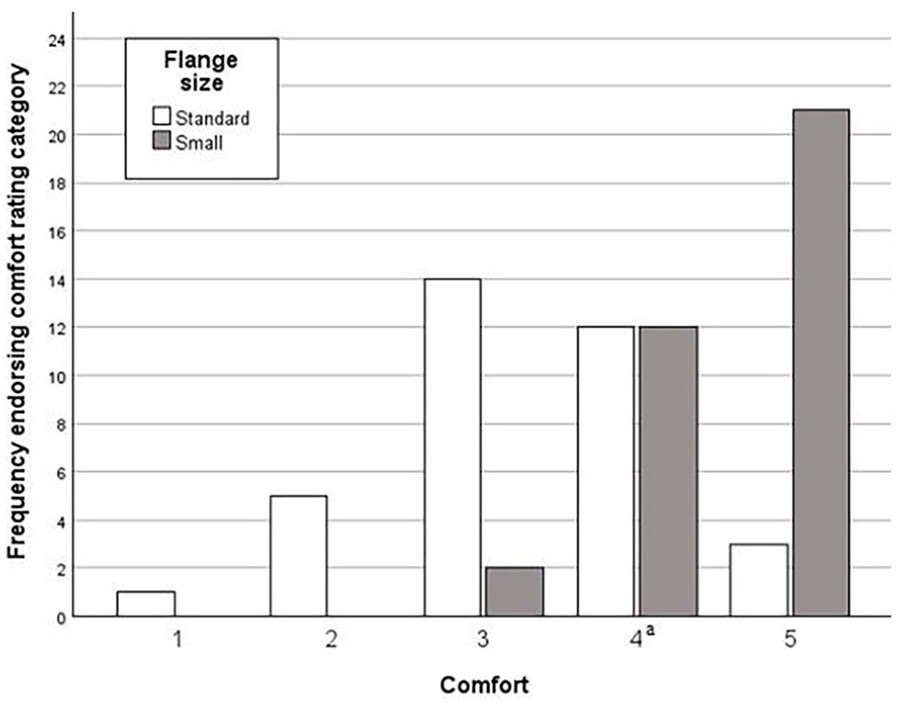
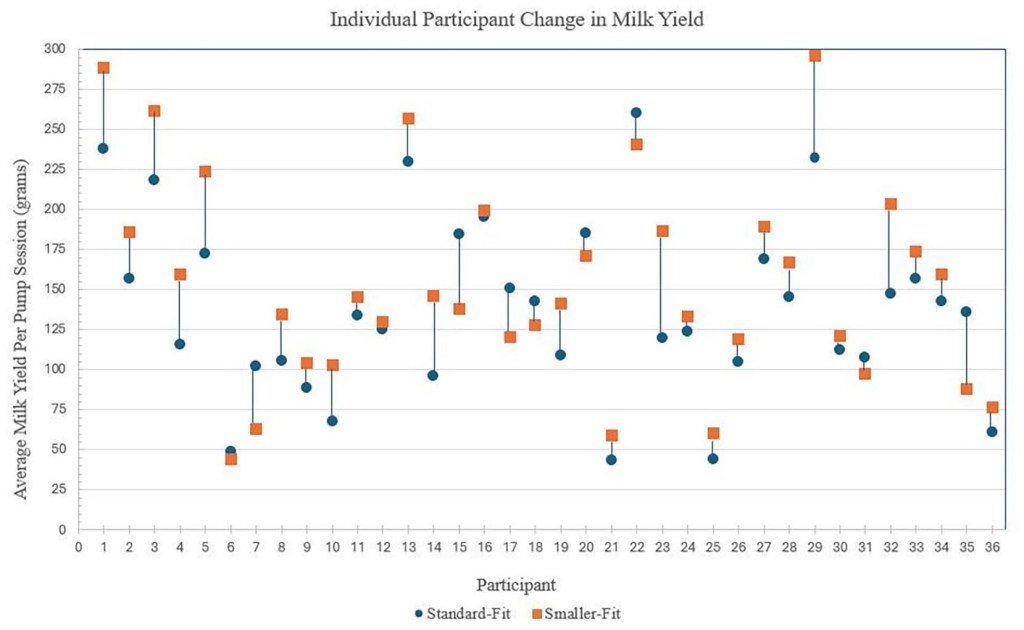
What I found fascinating were these two graphs: Figure 4 and Figure 5.

Figure 4 (1)

Figure 4 shows the patients’ reported comfort level. At the end of the week the participant pumped with the standard fit flange, they submitted one comfort rating, and at the end of the week they pumped with the smaller fit flange they submitted another comfort rating. The rating of 5 is ‘very comfortable or feels like nothing’ while the rating of 3 is ‘tolerable’. The average comfort rating for the standard size was 3.3, while the average comfort rating for the smaller fit was 4.5. For your in-the-workforce parent, or exclusively pumping parent, who has to pump multiple times a day, I imagine moving them up 1.2 points on the comfort scale could make a big difference in their breastfeeding journey.

Figure 5 (1)

Figure 5 is also worth a look; this is the change in milk yield between the smaller fit (portrayed by the orange square) and standard fit (portrayed by the blue circle). What I really appreciate about this visual is the nuance amongst individual participants. The mean milk yield for the smaller fit was 153.2 grams, and the mean milk yield for the standard fit was 138.2 grams. You can see in this image that some participants noticed a decent increase when using the smaller fit, while some barely noticed a difference and some noticed a decrease in milk yield.

This study highlights the importance of a flange fitting being “an individualized process led by participant reports of comfort and milk yield.” I think Figures 4 and 5 support this idea. In the supplementary material for this article, you will find a brief guide about how to find the flange sizing for the Flange FITS model. What I find most fascinating about this method is how personalized it is to the individual. It takes trial and error in an appointment and collaboration between lactation professional and the pumping parent. They try multiple different flanges to find which size both produces the best milk sprays and feels the best. My biggest takeaway from this research article is just how personalized and nuanced it is to find the best flange for the individual.

What is important to remember is this is a pilot study, the first of its kind with a relatively small pool of participants. To my understanding, these results need to be replicated by ideally a larger and longer study before we can actually change our current practice and call it ‘evidence-based’. (See my below section What I Learned). Also worth mentioning – there is a very specific method for how the ‘smaller fit flange’ was chosen; it’s called the “Flange FITS” and the guide is free. Hint: it involves actually trying a few flanges out with the patient while they are pumping and collaborating with the patient, so if you’re curious about how to choose the smaller size for your patient: find the guide.

I’d love to hear your thoughts on the article after you read it – post in the comments below and let us know your credentials. I want your input whether you’ve been in the research field for 30 years or if this is your first time reading a research article.

What I Learned : Pilot Studies

I did some digging to learn what a pilot study actually means and what a pilot study can reveal. From my readings, a pilot study is not intended to address a hypothesis. So, pilot studies, in general, are not designed to ask the question ‘Does this intervention work?’ It instead addresses the question ‘Can we perform this experiment?’ When reading and interpreting a pilot study, that’s a HUGE difference. The pilot study can be very helpful when creating a full-scale study by helping to catch and reduce errors and problems that may be encountered in the full-scale study. (3)

One article I read states:

“Pilot studies should not be used to test hypotheses about the effects of an intervention. The “Does this work?” question is best left to the full-scale efficacy trial, and the power calculations for that trial are best based on clinically meaningful differences. Instead, pilot studies should assess the feasibility/acceptability of the approach to be used in the larger study, and answer the “Can I do this?” question.” (2)

The intention is for the nipple tip to ‘glide against the sides of the [flange] tunnel’. Is this going to increase the risk of nipple damage? In this study, there were no reported injuries, but they followed up with the participants after only 1 week of pumping (per flange). What length of follow-up time is needed to determine the safety of this new method?

One other question: In the supplementary material, The Flange FITS Guide states “A thin layer of coconut oil or nipple balm on the bend of the flange can increase comfort.” Do we have any evidence that applying oil or balm to the flange affects -or does not affect- the expressed milk that ends up in the bottle?

References

1. Anders LA, Mesite Frem J, McCoy TP. Flange Size Matters: A Comparative Pilot Study of the Flange FITSTM Guide Versus Traditional Sizing Methods. Journal of Human Lactation. 2024;41(1):54-64. doi:10.1177/08903344241296036

2. “Pilot Studies: Common Uses and Misuses” NIH National Center for Complementary and Integrative Health. Accessed 5/1/2025. Last Updated 5/1/2025. https://www.nccih.nih.gov/grants/pilot-studies-common-uses-and-misuses

3. Kistin C, Silverstein M. Pilot Studies: A Critical but Potentially Misused Component of Interventional Research. JAMA. 2015 Oct 20;314(15):1561-2. doi: 10.1001/jama.2015.10962. PMID: 26501530; PMCID: PMC4917389.

Human Milk Nutrients After the First Year

Does breastmilk still contain quality nutrients after the first year? Yes! Let’s hit the highlights

Suzanne Sanders here, IBCLC for an article review.

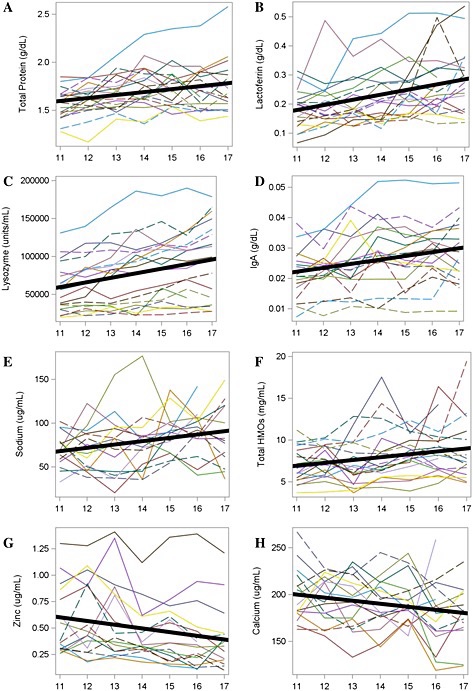
This study titled “A longitudinal study of human milk composition in the second year postpartum: implications for human milk banking” was published online in 2016 and in a peer reviewed journal in 2017 [1]. What I found particularly interesting was the change of nutrient levels in mothers own milk when assessed from 11-17 months postpartum. What nutrients did they assess? Good question.

They measured:

Total protein

Total fat

Lactose

Lactoferrin

Lysozyme

Immunoglobulin A (IgA)

Calcium

Iron

Zinc

Potassium

Sodium

Total HMO’s

Once a month, the 19 participants were instructed to completely express the content of one breast during the first or second feed of the morning. One requirement to be in the study was all participants had to have ‘access to a breast pump’.

After assessing 131 samples from the 19 women who were lactating from 11-17 months postpartum. The authors concluded

“Our study found that human milk in the second year postpartum contains stable or increasing concentrations of macronutrients and bioactive factors, and small decreases in concentrations of zinc and calcium in women who continue to breastfeed or express milk at least three to four times per day.”

Figure 1 gives you a simple visual of these results.

Figure 1. Perrin MT, Fogleman AD, Newburg DS, Allen JC. A longitudinal study of human milk composition in the second year postpartum: implications for human milk banking. Matern Child Nutr. 2017 Jan;13(1):e12239. doi: 10.1111/mcn.12239. Epub 2016 Jan 18. PMID: 26776058; PMCID: PMC6866067.

What I found interesting is one factor that predicted a change in nutrient levels was the amount of breastmilk that a mom produced. As the amount of milk that the mother had decreased most of the nutrient concentrations increased.

The authors stated, “this research suggests that volume was a more consistent predictor of milk composition than month of lactation”

The primary purpose of this article was “to describe longitudinal changes in human milk composition in the second year postpartum” to help determine whether expressed breastmilk past 1 year could be eligible for milk bank donation. Here is what this one study concluded:

“Accepting milk bank donations from lactating mothers beyond one year postpartum could increase the supply of PDM (pasteurized donor milk) while also raising the concentration of total protein, lactoferrin, IgA and lysozyme in pooled donor milk; however mineral fortification might be considered.”

Remember, typically research is confirmed in multiple different studies before it has the gumption to impact real world policies. I found this article very interesting, especially in relation to the AAP and WHO recommendations of breastfeeding for at least two years. And, it would be great to see more availablity of pasteurized donor human milk.

If this topic interests you, read the research article and share your thoughts in the comments. I want your input whether you’ve been in the research field for 20 years or whether this is the very first research article you’ve ever read. Just do me one favor, to help me and our other readers further our knowledge, when you comment please include your credentials or experience with reading research.

(You can find my credentials/experience in About the Author)

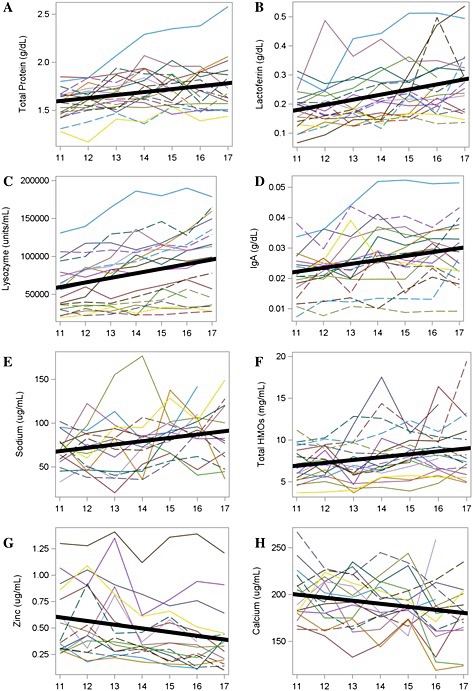
What I learned while reading this research: The Coefficient of determination helps us “judge how well the line fits the data” [2]. So this study looked at nutrients in mothers own milk in relation to the month postpartum the milk was pumped (time-effect) and also in relation to the individual person (subject-effect). When they ran the coefficient of determination for both the time effect and the subject effect, they found that the subject effect was more accurate than the time effect. The dependent variables were more reliant on the subject than on the month postpartum. So I did a dive into coefficient of determination and learned that basically that is looking to determine if the line on the graph accurately represents the data points. See figure 1 again, below. The coefficient of determination is looking to see how far away the data points are from the bold black line, which gives us an idea of how accurate the line is to the actual data [3].

Figure 1. Perrin MT, Fogleman AD, Newburg DS, Allen JC. A longitudinal study of human milk composition in the second year postpartum: implications for human milk banking. Matern Child Nutr. 2017 Jan;13(1):e12239. doi: 10.1111/mcn.12239. Epub 2016 Jan 18. PMID: 26776058; PMCID: PMC6866067.

1. Perrin MT, Fogleman AD, Newburg DS, Allen JC. A longitudinal study of human milk composition in the second year postpartum: implications for human milk banking. Matern Child Nutr. 2017 Jan;13(1):e12239. doi: 10.1111/mcn.12239. Epub 2016 Jan 18. PMID: 26776058; PMCID: PMC6866067.

2. Hamilton DF, Ghert M, Simpson AH. Interpreting regression models in clinical outcome studies. Bone Joint Res. 2015 Sep;4(9):152-3. doi: 10.1302/2046-3758.49.2000571. PMID: 26392591; PMCID: PMC4678365.

3. Khan, Sal “R-squared or coefficient of determination” (video). Khan Academy Accessed April 21, 2025. https://www.khanacademy.org/math/ap-statistics/bivariate-data-ap/assessing-fit-least-squares-regression/v/r-squared-or-coefficient-of-determination.